Travel Guide

Jaipur Travel Guide 2026

Everything you need to explore the Pink City. Forts, palaces, bazaars, street food, and how to navigate it all by metro.

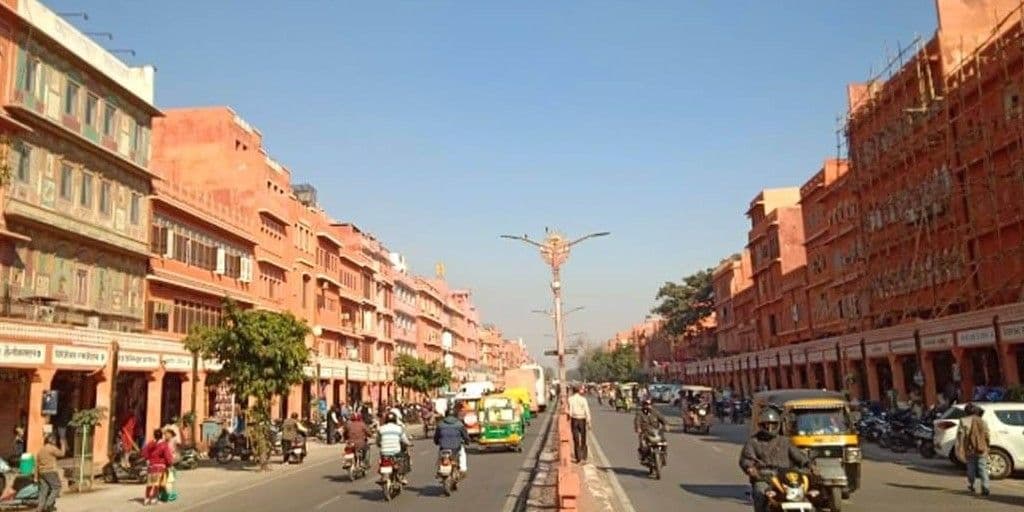
Jaipur is not just a city you visit. It is a city that pulls you in. Founded in 1727 by Maharaja Sawai Jai Singh II, the capital of Rajasthan was India's first planned city, laid out in a grid pattern inspired by ancient Hindu architectural texts. The pink terracotta colour that earned it the name "Pink City" was originally applied in 1876 to welcome Prince Albert during his royal visit. Today, it is one of India's most visited destinations, drawing over 5 million tourists annually.

This guide covers everything a traveller needs: the must-see attractions with honest timing and cost estimates, the food you should not miss, how to get around using the metro and local transport, what to budget, and practical tips that save you time and money. Whether you are here for 2 days or a week, this is your starting point.

Jaipur Quick Facts

Population

4.1 Million

Best Season

Oct to Mar

Language

Hindi, English

Currency

Indian Rupee (₹)

Summer Temp

40–45°C

Winter Temp

8–22°C

Metro Line

Pink Line (12 km)

Airport

JAI (Sanganer)

Top Attractions in Jaipur

The essential places every visitor should see, with honest timings, entry fees, and how to reach each by metro.

Amber Fort Jaipur
01Heritage Fort

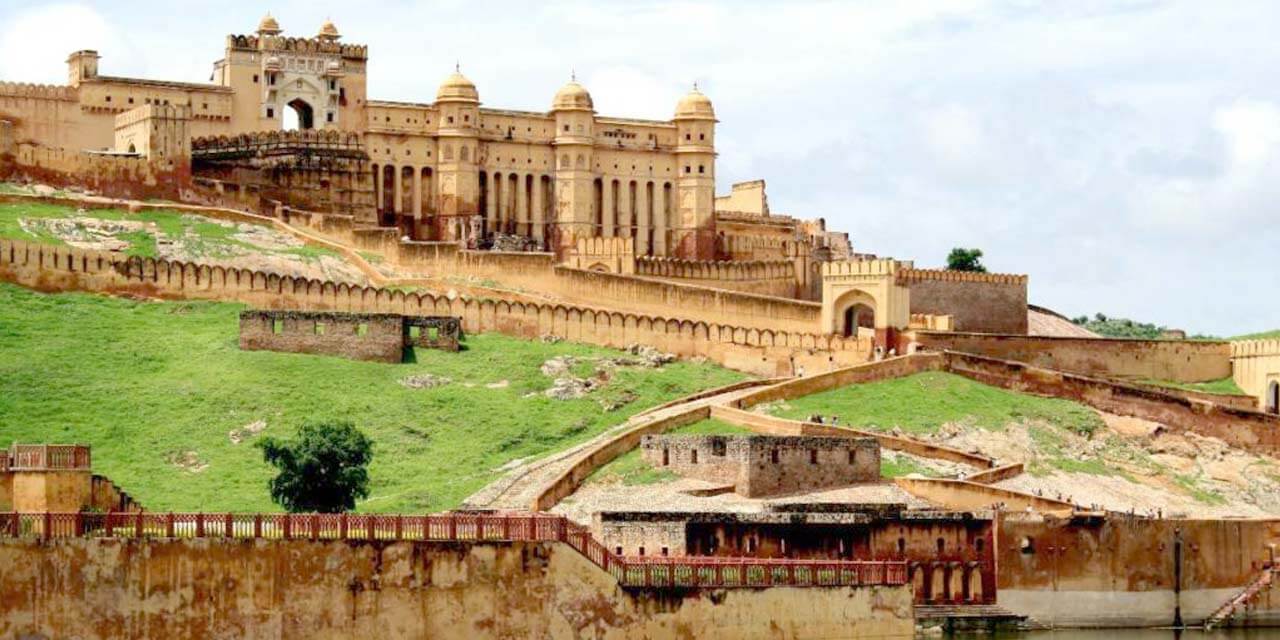
Perched on a hilltop 11 km from the city centre, Amber Fort is Jaipur's crown jewel. Built in 1592 by Raja Man Singh I, this UNESCO World Heritage Site blends Rajput military architecture with Mughal elegance. The Sheesh Mahal (Mirror Palace) alone is worth the climb, with thousands of tiny mirrors reflecting candlelight into a starry canopy. The fort overlooks Maota Lake, and the reflection at sunrise is unforgettable.

8:00 AM – 5:30 PM
₹100 (Indian) / ₹500 (Foreign)
Chandpole station + auto (₹150–250, 25 min)

Insider Tip

Visit before 10 AM to beat the tour bus crowds. The light and sound show in the evening (₹300) narrates the fort's history against illuminated walls.

Read full Amber Fort guide
Hawa Mahal Jaipur
02Palace

The Palace of Winds is Jaipur's most photographed monument. Built in 1799 by Maharaja Sawai Pratap Singh, its 953 small windows (jharokhas) were designed so royal women could observe street festivals without being seen. The five-storey pink sandstone facade looks spectacular in morning light. The view from inside the top floor offers a panoramic sweep across Johari Bazaar and the City Palace complex.

9:00 AM – 5:00 PM
₹50 (Indian) / ₹200 (Foreign)
Badi Chaupar station + FB-04 feeder bus (₹15)

Insider Tip

The best photographs of the facade are taken from the Wind View Cafe across the road. Go before 10 AM when the morning sun hits the sandstone.

Read full Hawa Mahal guide
City Palace Jaipur
03Palace & Museum

Still partially occupied by the royal family, City Palace is a living monument. The Chandra Mahal (Moon Palace) houses the Maharaja's private residence on the upper floors, while the ground floors are open to visitors. The Pitam Niwas Chowk features four ornately decorated gates representing the four seasons. The museum displays royal garments, weapons, and manuscripts spanning 300 years of Kachwaha history.

9:30 AM – 5:00 PM
₹200 (Indian) / ₹700 (Foreign)
Badi Chaupar station + walk or FB-04 (1.8 km)

Insider Tip

The combined ticket for City Palace and Jantar Mantar saves money. Allow 2 to 3 hours for a thorough visit.

Read full City Palace guide
Jantar Mantar Jaipur
04UNESCO Heritage

This UNESCO World Heritage Site is the world's largest stone astronomical observatory. Built by Maharaja Sawai Jai Singh II in 1734, it contains 19 instruments including the Samrat Yantra, the world's largest sundial standing 27 metres tall. The instruments can still predict eclipses, track star positions, and tell time to within 2 seconds of accuracy. It is science frozen in sandstone.

9:00 AM – 4:30 PM
₹50 (Indian) / ₹200 (Foreign)
Badi Chaupar station + walk (1.5 km through walled city)

Insider Tip

Hire a guide (₹200–300) at the entrance. Without one, the instruments look like abstract sculptures. A guide decodes exactly what each one measures.

Read full Jantar Mantar guide
Nahargarh Fort Jaipur
05Fort & Viewpoint

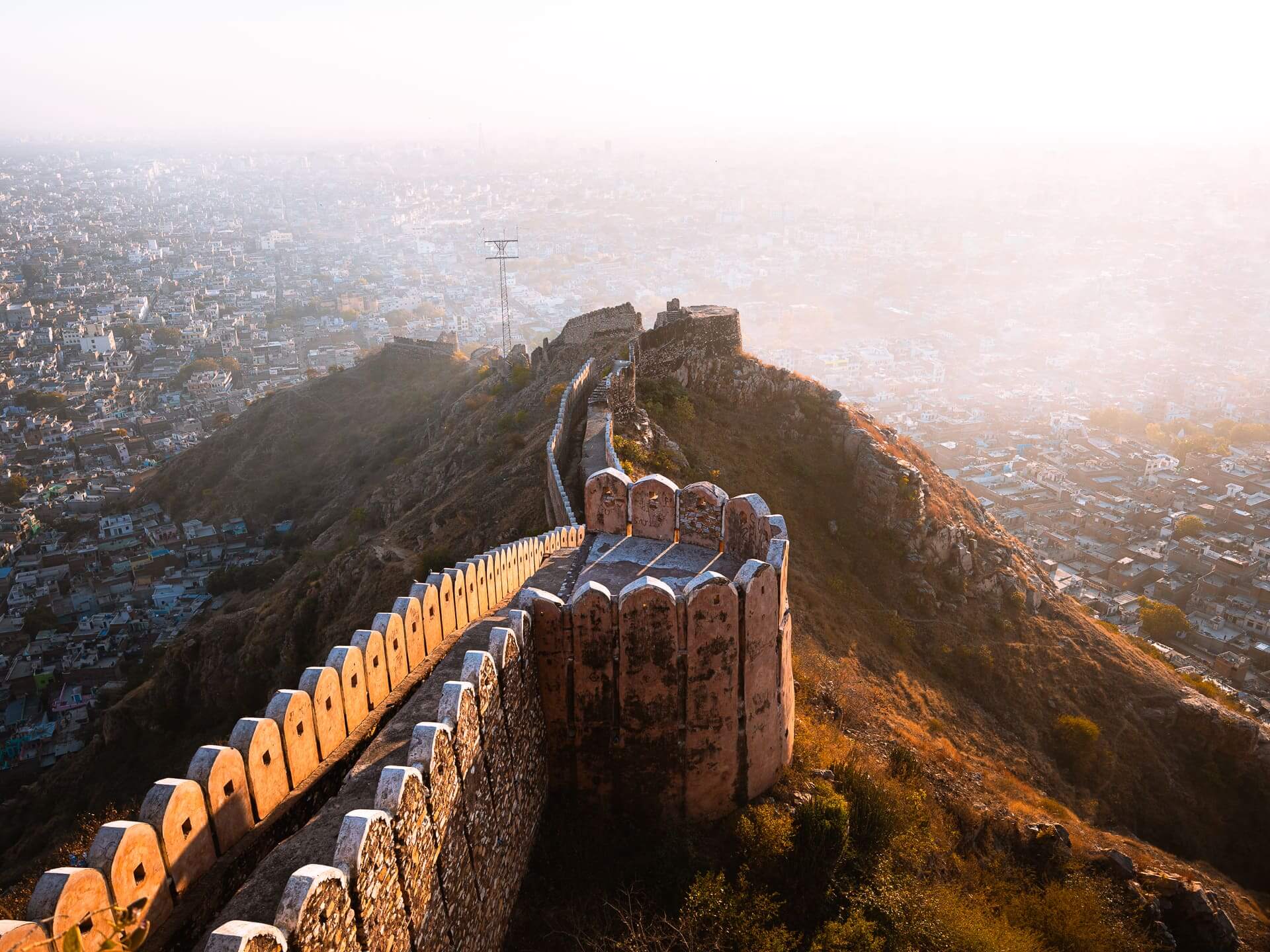
Nahargarh sits on the edge of the Aravalli hills, forming the defensive ring around Jaipur along with Amber Fort and Jaigarh Fort. The fort itself is modest compared to Amber, but the panoramic views of Jaipur spread below are the real draw. At sunset, the city turns golden and then lights up as darkness falls. The Madhavendra Bhawan inside features identical suites built for nine queens.

10:00 AM – 5:30 PM
₹50 (Indian) / ₹200 (Foreign)
Chandpole station + auto (₹100–150 uphill)

Insider Tip

Time your visit for sunset. The on-site Padao Restaurant serves decent food with million-dollar views. The drive up is scenic but winding.

Read full Nahargarh Fort guide
Jal Mahal Jaipur
06Lake Palace

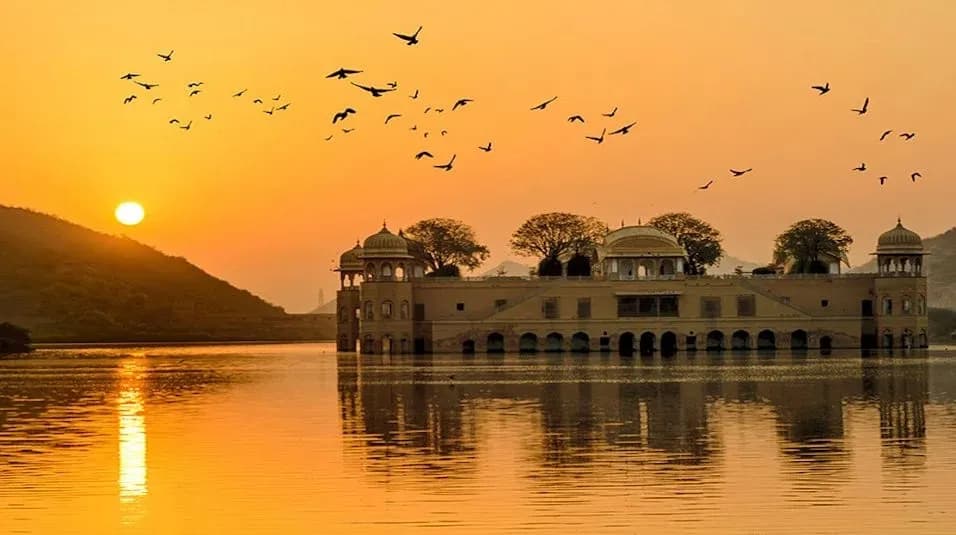
The Water Palace appears to float in the middle of Man Sagar Lake on the road to Amber Fort. Only one of its five storeys is visible above water. Currently under restoration, you cannot enter the palace, but the lakeside walkway and surrounding hills make for stunning photographs. The evening light creates a perfect reflection on calm water. Migratory birds visit the lake between November and February.

Viewable 24 hours (no entry)
Free (external viewing)
Chandpole station + auto towards Amber (8 km)

Insider Tip

Combine with your Amber Fort trip since it is on the same road. The walk along the lake takes about 20 minutes and is beautiful at dusk.

Read full Jal Mahal guide

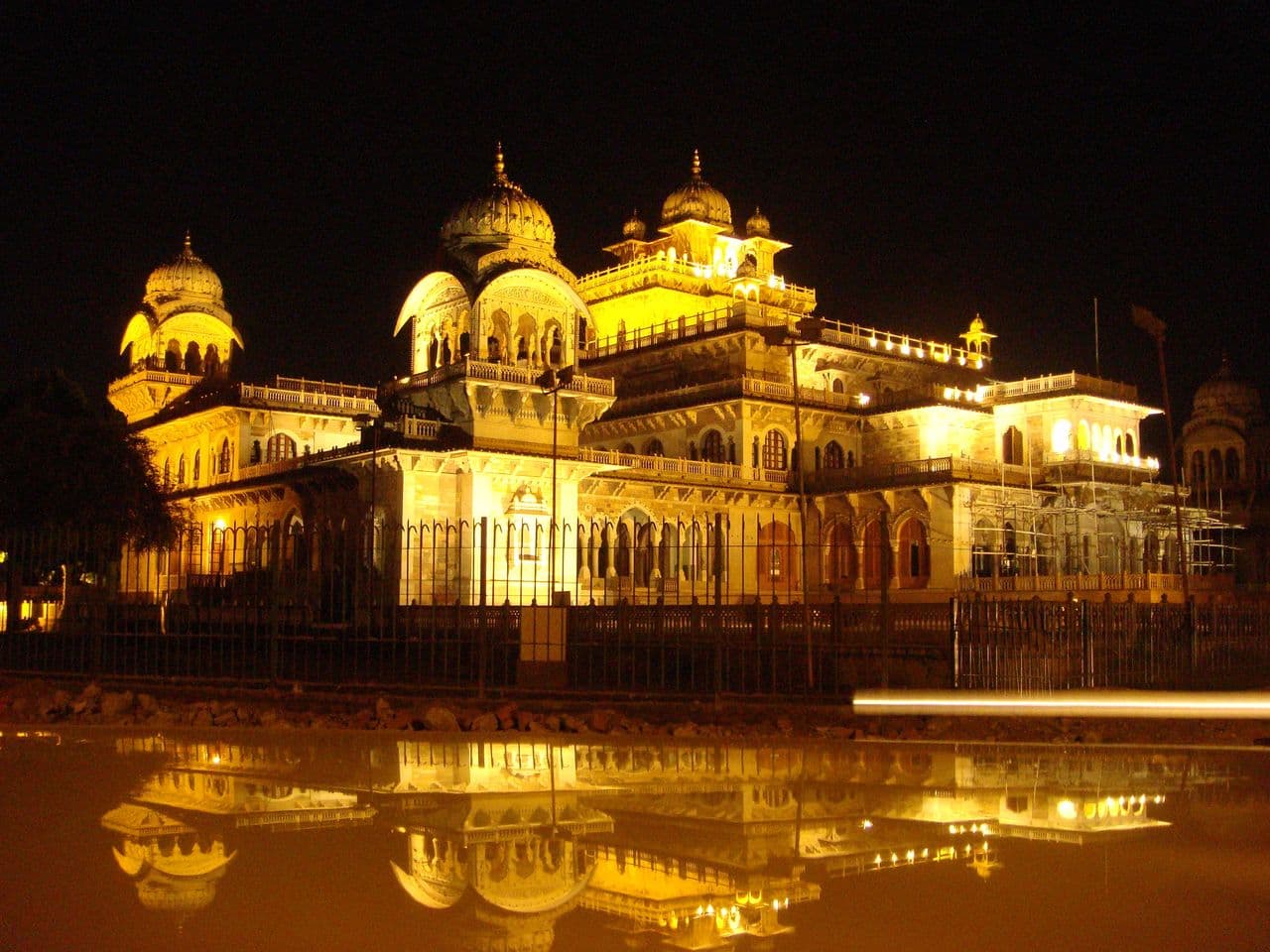
Housed inside the Ram Niwas Garden, the Albert Hall Museum is Rajasthan's oldest museum and an architectural masterpiece designed by Sir Samuel Swinton Jacob. The Indo-Saracenic building is as much a exhibit as the items inside. Collections include Rajasthani miniature paintings, pottery, metalwork, ivory carvings, and an Egyptian mummy. The building is beautifully illuminated at night.

9:00 AM – 5:00 PM, 7:00 PM – 10:00 PM
₹40 (Indian) / ₹300 (Foreign)
Civil Lines station + auto (₹40–60)

Insider Tip

Visit during the day for the museum exhibits, then return in the evening to see the building lit up. The night illumination is one of the most beautiful sights in Jaipur.

Read full Albert Hall Museum guide
Patrika Gate Jaipur
08Landmark

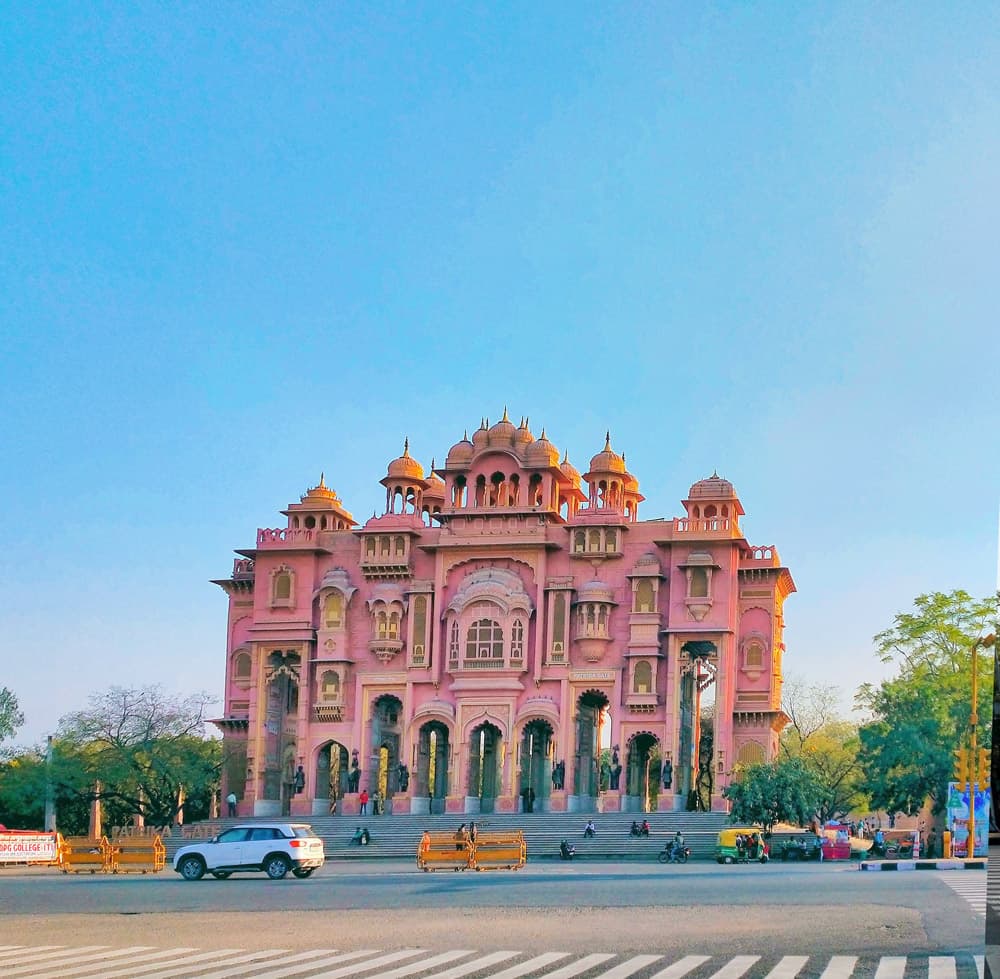
Jaipur's newest iconic landmark at Jawahar Circle is a massive ornamental gate celebrating Rajasthan's art and architecture. Each of the nine arches represents a different region of the state, painted with murals depicting local culture, crafts, and landscapes. Built in 2016, it has become one of the most Instagrammed spots in the city. The surrounding Jawahar Circle Garden is Asia's largest circular park.

Open 24 hours
Free
Mansarovar station + auto (₹50–70)

Insider Tip

Visit early morning or late afternoon for the best photography light and fewer crowds. The gardens around it are perfect for a morning walk.

Read full Patrika Gate guide

Jaipur is the gemstone capital of India, and Johari Bazaar is where that trade comes alive. This 300-year-old market stretching through the heart of the walled city is packed with shops selling Kundan, Meenakari, and Polki jewelry alongside precious and semi-precious stones. Beyond jewelry, the street is lined with textile shops, sweet sellers, and traditional Rajasthani lac bangle makers.

10:00 AM – 8:00 PM (closed Sundays)
Free
Chandpole station + FB-03 feeder bus or 15-min walk

Insider Tip

Bargaining is expected and standard. Start at 40% of the quoted price and work up. For high-value jewelry purchases, ask for a certificate of authenticity.

Read full Johari Bazaar guide
Birla Mandir Jaipur
10Temple

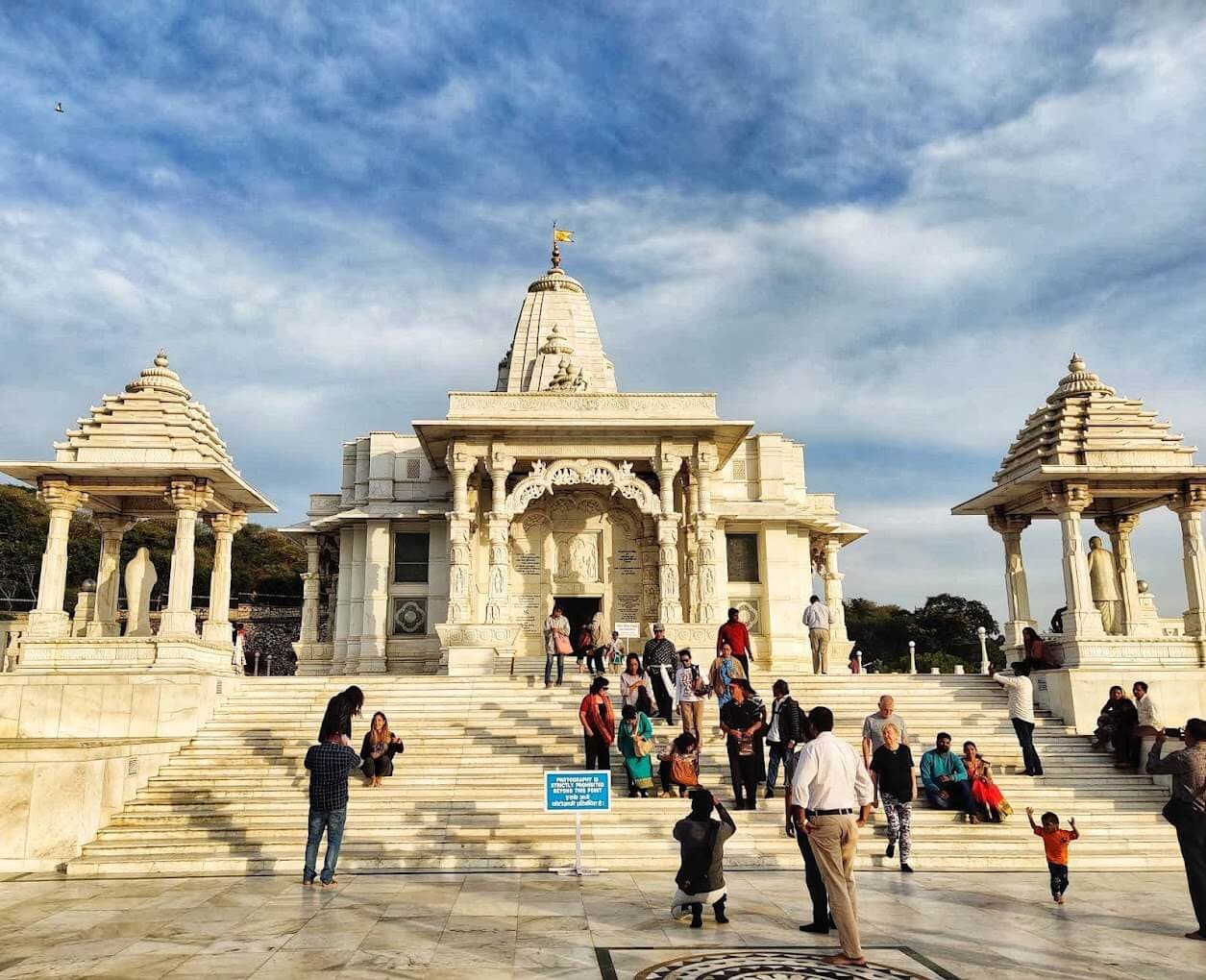
The Laxmi Narayan Temple, built entirely in white marble by the Birla family in 1988, stands on an elevated hill south of the city centre. The temple combines traditional Hindu architecture with modern design sensibilities. Carvings depict scenes from Hindu mythology alongside quotes from world religions, reflecting its inclusive philosophy. The marble catches the sunset beautifully.

6:00 AM – 12:00 PM, 3:00 PM – 9:00 PM
Free
Civil Lines station + auto (₹50–70)

Insider Tip

The evening aarti (prayer ceremony) at sunset is attended by devotees and tourists alike. The white marble against the evening sky creates a memorable photograph.

Read full Birla Mandir guide
Galtaji Temple Jaipur
11Temple & Nature

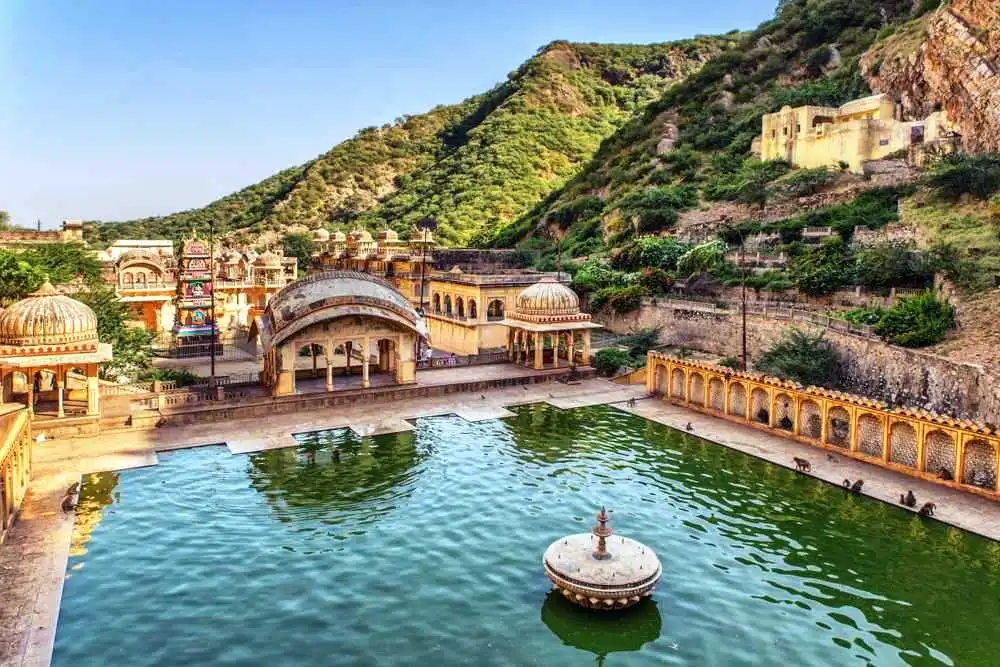
Hidden in a narrow crevice in the Aravalli hills, Galtaji is a complex of ancient Hindu temples built around natural spring water tanks. Often called the Monkey Temple due to the large troops of macaques that inhabit the site, the complex features seven sacred kunds (water tanks) fed by natural springs. The Surya Temple at the highest point offers stunning valley views.

5:00 AM – 9:00 PM
Free (₹100 camera fee)
Badi Chaupar station + auto (₹80–120)

Insider Tip

Hold your belongings firmly as monkeys can be aggressive about food and shiny objects. The climb to the Surya Temple takes 15 to 20 minutes but rewards with panoramic views.

Read full Galtaji Temple guide
Chokhi Dhani Jaipur
12Cultural Village

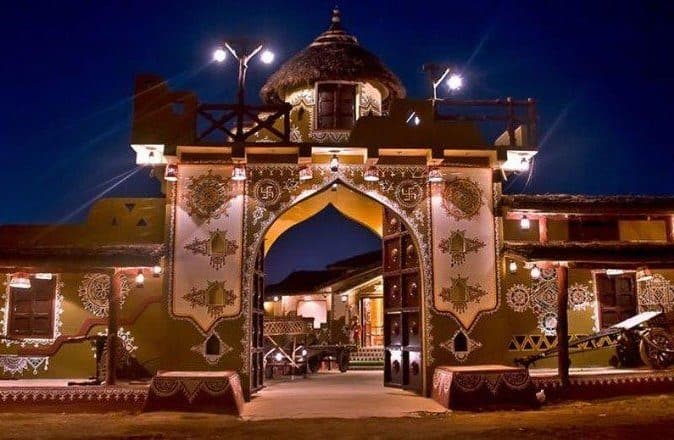
This ethnic village resort 20 km south of the city recreates traditional Rajasthani village life. An evening here includes unlimited Rajasthani thali dinner, folk dances, puppet shows, camel rides, pottery demonstrations, and henna art. It is touristy by design, but the food is genuinely excellent and the cultural performances are energetic and authentic. Groups and families particularly enjoy the experience.

5:00 PM – 11:00 PM
₹700–1,200 per person (includes dinner and activities)
Not metro-accessible. Taxi from city centre (₹400–600 one way)

Insider Tip

Book ahead during peak tourist season (November to February). Wear comfortable shoes since the village is spread across a large area with sand pathways.

Read full Chokhi Dhani guide

What to Eat in Jaipur

Jaipur's food scene ranges from ₹10 street chai to royal-recipe thalis. These are the dishes you should not leave without trying.

Dal Baati Churma

₹150–300 per thali

Rajasthan's signature dish. Baked wheat balls (baati) served with spiced lentils (dal) and sweet crushed wheat (churma). Available at every traditional restaurant.

Laal Maas

₹300–500

Fiery red mutton curry cooked with Mathania chillies, yoghurt, and whole spices. The defining non-vegetarian dish of Rajasthan. Not for the faint-hearted.

Pyaaz Kachori

₹30–60 per piece

Deep-fried pastry stuffed with spiced onion filling. The best versions come from old city shops, especially Rawat Mishthan Bhandar on Station Road.

Ghewar

₹100–250

Disc-shaped sweet made from flour batter, soaked in sugar syrup, and topped with rabri (thickened milk). A Jaipur specialty, especially during the Teej festival.

Masala Chaat

₹50–100 per plate

Jaipur's street food scene centres on chaat. Head to Masala Chowk near the Albert Hall Museum for a curated food court with dozens of local vendors in one place.

Kulhad Chai

₹10–20

Tea served in small clay cups (kulhad) that add an earthy flavour. Available at roadside stalls across the city for just ₹10 to ₹20. A quintessential Jaipur experience.

Where to eat: For curated street food, visit Masala Chowk near Albert Hall Museum. For traditional thalis, try LMB (Laxmi Mishthan Bhandar) in Johari Bazaar or Hotel Natraj on MI Road. For the full cultural dining experience, book Chokhi Dhani.

Shopping in Jaipur

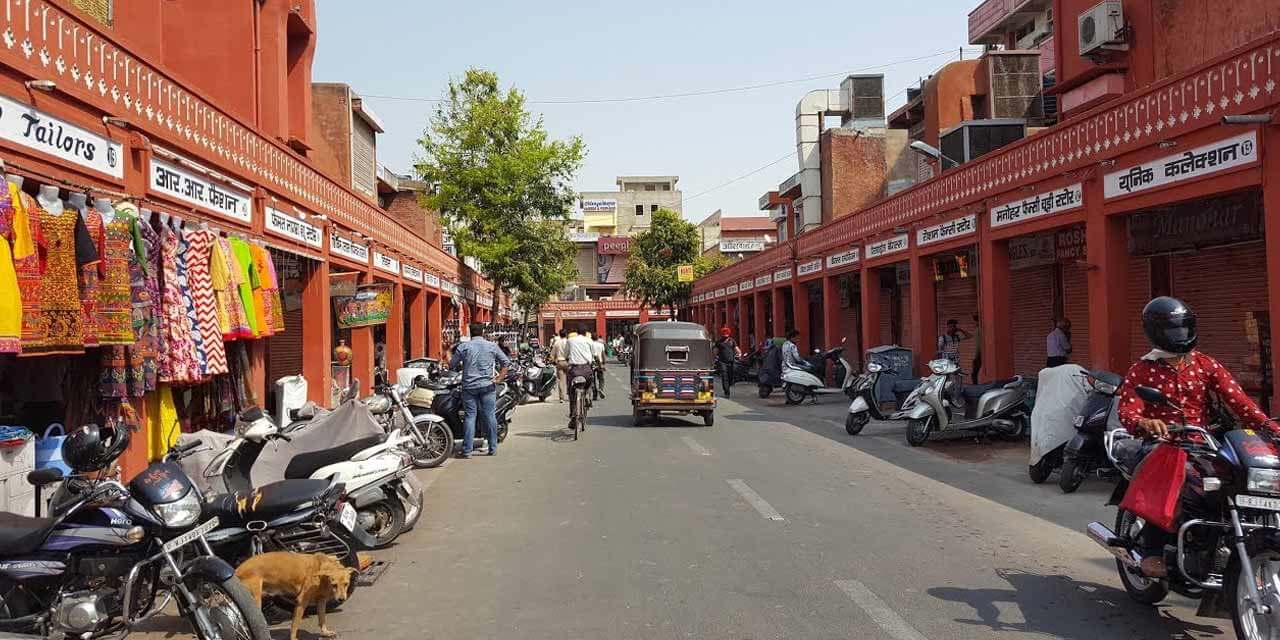
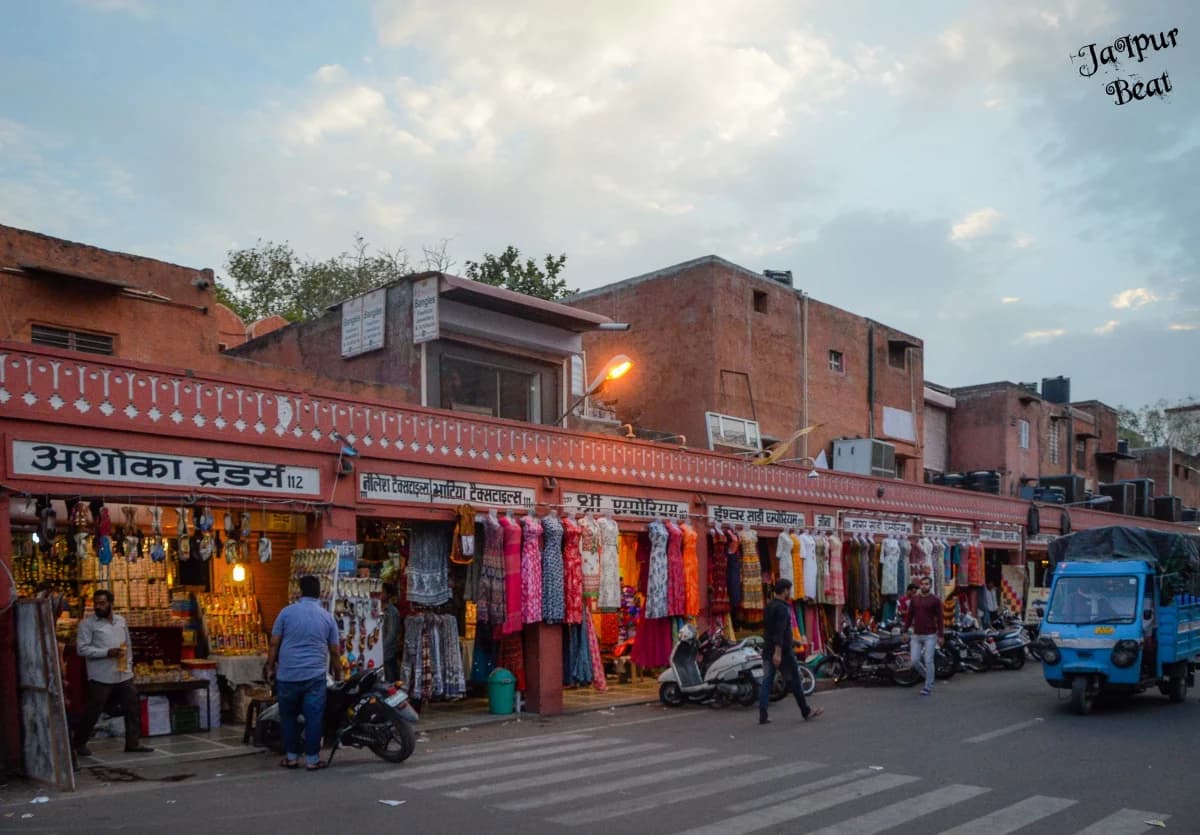
Jaipur is India's gemstone capital and a textile powerhouse. The best shopping happens in the walled city bazaars.

Getting Around Jaipur

The metro handles the city-centre corridor. Autos and cabs fill the gaps. Here is how each mode works.

Jaipur Metro

The Pink Line runs 12 km from Mansarovar to Chandpole with 11 stations. Fares are ₹10 to ₹30. Trains run 5:30 AM to 10:30 PM daily. Smart Card gives 10% off every fare. Tourist Card (₹150/day) provides unlimited rides.

Auto-rickshaw

Available everywhere. Negotiate fare before boarding or insist on the meter. Short rides ₹30 to ₹80. Use pre-paid auto stands at Civil Lines and Chandpole metro stations.

Ola and Uber

App-based cabs operate across Jaipur. No negotiation needed. Surge pricing during peak hours and late night. Typical city ride ₹120 to ₹300.

Full-Day Taxi

Hire a car with driver for ₹1,500 to ₹2,500 per day. Best for fort visits and multi-stop sightseeing. Book through your hotel or app.

Jaipur Trip Budget Planner

Realistic daily costs for three traveller types. All prices are per person per day in Indian Rupees.

CategoryBudgetMid-RangeSplurge
Accommodation₹800–1,500/night₹2,500–5,000/night₹8,000–25,000/night
Meals (per day)₹300–500₹800–1,500₹2,000–5,000
Transport (per day)₹100–200 (metro + bus)₹500–800 (metro + auto)₹1,500–2,500 (hired car)
Sightseeing (per day)₹200–400₹500–1,000₹1,500–3,000
Daily Total₹1,400–2,600₹4,300–8,300₹13,000–35,500

Suggested 3-Day Jaipur Itinerary

A practical day-by-day plan that balances sightseeing, food, and rest.

Day 1

Walled City and Heritage

  • Morning: Metro to Badi Chaupar → Hawa Mahal (1 hour) → City Palace (2 hours) → Jantar Mantar (45 min)
  • Lunch: Rooftop cafe opposite Hawa Mahal with facade view
  • Afternoon: Walk through Johari Bazaar → Tripolia Bazaar → Chandpole
  • Evening: Metro to Civil Lines → auto to Albert Hall Museum (night illumination)
  • Transport: ~₹100 (metro + feeder bus) | Sightseeing: ~₹400
Day 2

Forts and Panoramic Views

  • Morning: Hire day taxi or auto → Amber Fort (3 hours)
  • Midday: Jal Mahal photo stop (20 min on the same road)
  • Lunch: 1135 AD restaurant inside Amber Fort or local dhaba nearby
  • Afternoon: Jaigarh Fort (1 hour) or free time at hotel
  • Evening: Nahargarh Fort for sunset → Padao Restaurant for dinner with city views
  • Transport: ~₹800–1,200 (day taxi) | Sightseeing: ~₹500
Day 3

Culture, Shopping and Food

  • Morning: Birla Mandir → Galtaji Temple (Monkey Temple)
  • Midday: Patrika Gate and Jawahar Circle Garden
  • Lunch: Rawat Mishthan Bhandar (pyaaz kachori) or Masala Chowk
  • Afternoon: Bapu Bazaar and Nehru Bazaar for souvenirs, juttis, textiles
  • Evening: Chokhi Dhani for traditional dinner and cultural show
  • Transport: ~₹500 (metro + autos) | Sightseeing: ~₹800

Cultural Tips and Etiquette

Jaipur is warm and welcoming, but respecting local customs makes the experience better for everyone.

Do

  • Remove shoes before entering temples and homes
  • Ask permission before photographing people
  • Dress modestly at religious sites (cover shoulders and knees)
  • Use your right hand for giving and receiving items
  • Greet locals with 'Namaste' with folded hands
  • Try the local food with an open mind

Avoid

  • Pointing feet at people or religious icons
  • Wearing revealing clothing in the old city and temples
  • Touching someone's head (considered disrespectful)
  • Eating with your left hand in traditional settings
  • Taking photos inside certain palace rooms (check signs)
  • Giving money to child beggars (it encourages exploitation)

Frequently Asked Questions

Ready to explore Jaipur by metro?

Use our free tools to plan your journey, calculate fares, and discover attractions near each station.

More Jaipur Metro Guides

Back to all guides