

Jaipur on a Budget
Two days, the real Pink City experience, under ₹1,500 per day — and no, you won't miss out on anything important
The most expensive things in Jaipur are taxis and tourist restaurants. Cut those and you can see the same city for a fraction of the cost. This itinerary leans on the metro, your feet, and street food. The attractions are mostly the same ones in the premium itinerary — the difference is how you get there and what you eat along the way.
Before You Go
Must Book in Advance
- Amber Fort tickets online (saves queue time)
- Nothing else needs advance booking on this itinerary
Early bird tip: The metro Tourist Card (₹150/day, ₹250/3-day) gives unlimited rides and pays off quickly. Buy it at any station counter.
Free Jaipur
The sights that cost nothing or close to nothing
Most of Jaipur's best experiences are free or cheap. The gates, bazaars, gardens, and temples that define the city charge nothing. Today is about those places — plus a few paid sites where the entry fee is genuinely worth it.
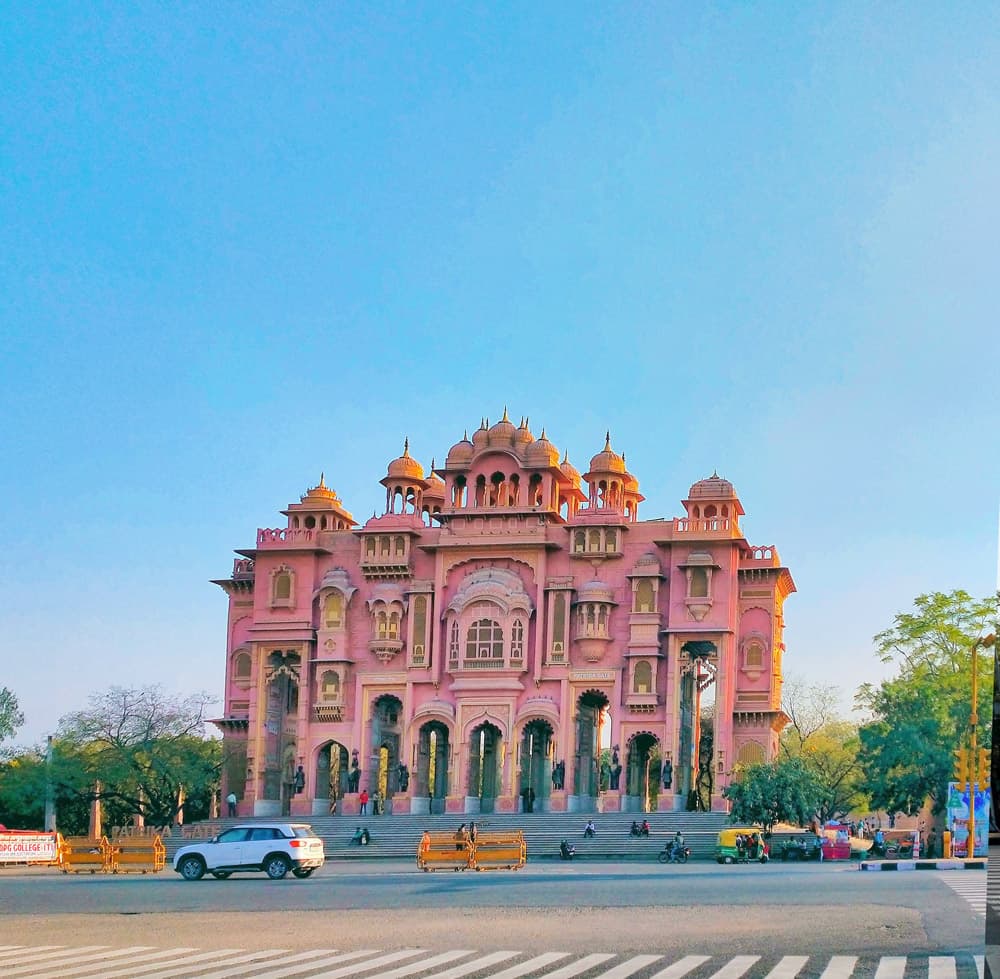
Start at the western end of the metro line at Mansarovar. Patrika Gate is a 15-minute auto ride away (around ₹50-60). It's the newest landmark in Jaipur — a 2016 gate built by Rajasthan Patrika newspaper decorated with stunning pink murals of Jaipur's history. It's free, beautiful, and less crowded than everything in the old city. Jawahar Circle Garden is right next to it — the largest circular garden in Asia with a fountain show in the evenings. Morning walk here with chai from a vendor costs under ₹30.
The fountain show runs in the evening (around 7 PM) and is free. Worth returning if you're flexible.

Metro from Mansarovar all the way east to Chandpole — 28 minutes, ₹30. The western gate of the walled city is one of Jaipur's original seven gates and it costs nothing to walk through and around it. Chandpole Bazaar is the most local of the old city markets — marble sculptures, brass work, and local hardware stores sit alongside tourist souvenir shops. Prices here are lower than Johari Bazaar and the atmosphere more genuine.
Skip the aggressive souvenir sellers and look at the actual craft workshops in the lanes behind the main road. A block-print cotton kurta here costs ₹200-400 versus ₹600-900 in tourist shops.

One stop on the metro to Badi Chaupar. At ₹50 for Indians, Hawa Mahal is one of the best-value monuments in Jaipur. The interior is genuinely worth it — the royal women's balcony rooms on the upper floors and the latticed windows looking out over the old city are memorable. Most budget travellers skip the entry and just photograph from the street. Don't be that person.
The photography from inside the upper floors looking down at Badi Chaupar is better than any exterior shot you'll take.
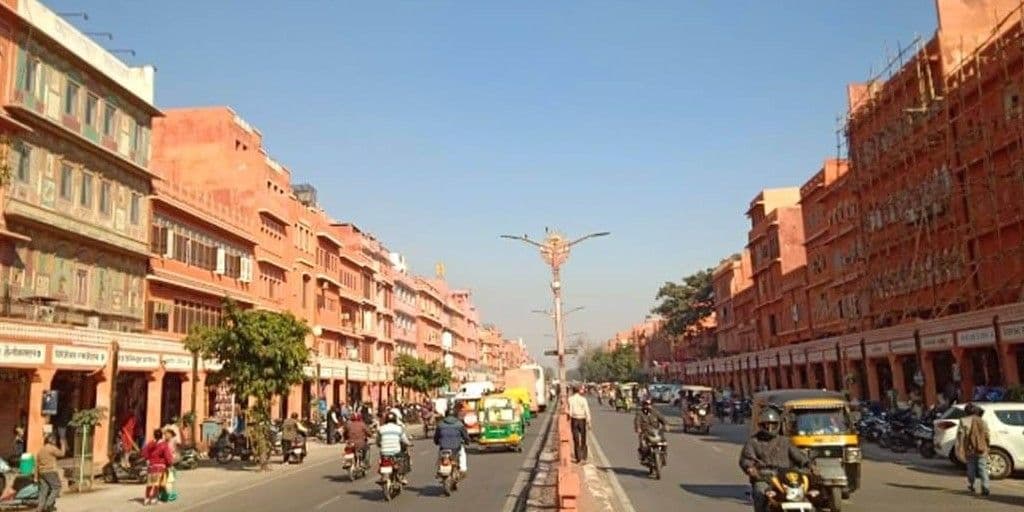
Walk from Hawa Mahal to Johari Bazaar — 5 minutes. You're not here to buy gems (unless you actually know gems). You're here to watch the craftsmen in the lanes off the main road, try the street food, and understand how a 300-year-old market actually functions. The silver jewellery in the smaller lanes is genuinely affordable and well-made if you're looking for a quality souvenir.
The kachori and rabri at the small stalls in the side lanes off Johari Bazaar feed two people for under ₹100. This is the correct budget lunch.
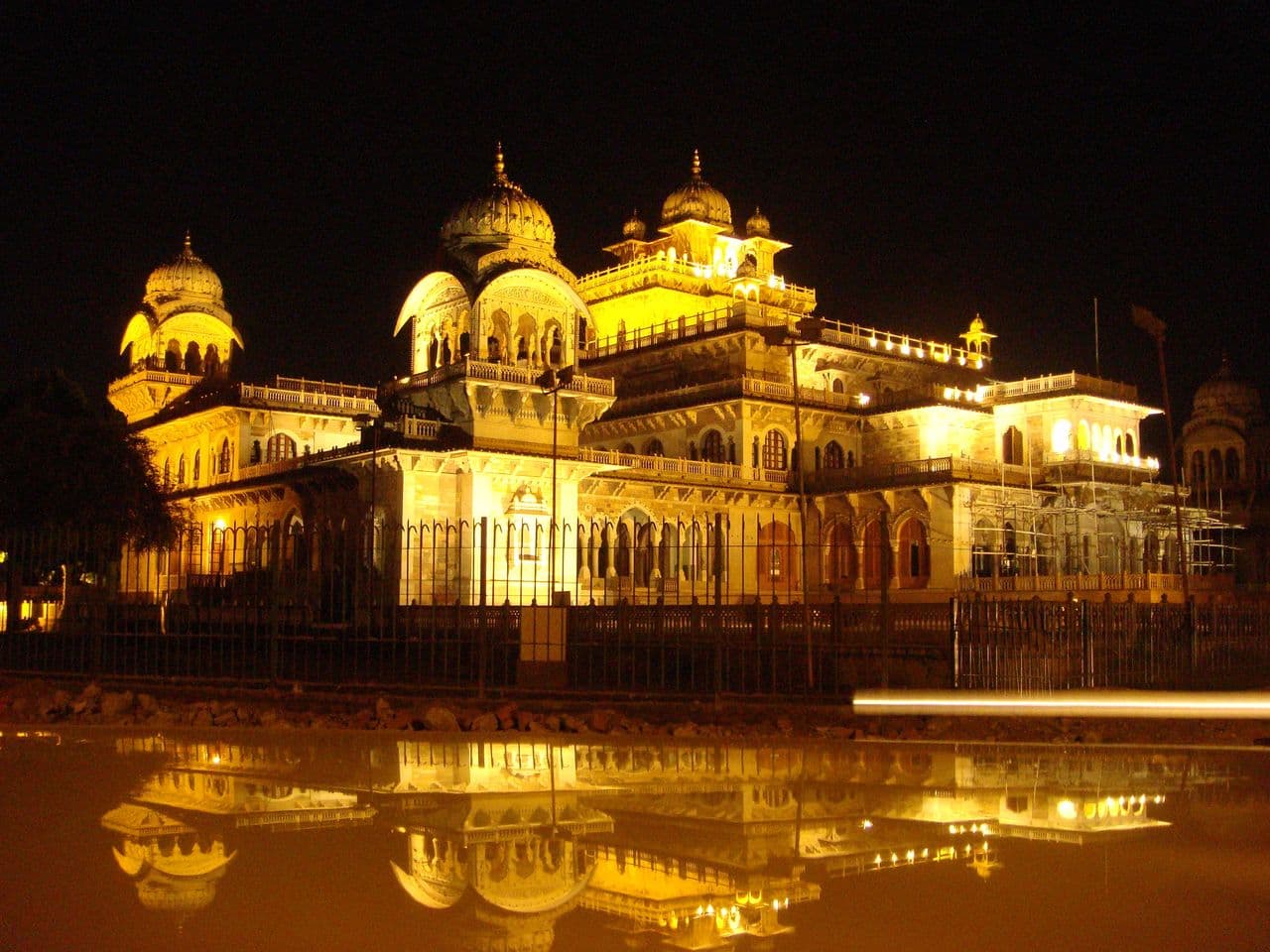
Metro from Badi Chaupar to Sindhi Camp, auto to Albert Hall. At ₹40 for Indians it's one of the cheapest hours you'll spend in Jaipur and one of the most rewarding. The Indo-Saracenic building alone is worth the entry. The Egyptian mummy, Rajput armory, textile collection, and coin displays are all included. Come in the afternoon when tourist crowds thin out.
Come back after 7 PM to see it illuminated without paying again — the night view from outside is free.

Metro to Civil Lines, short walk. Central Park is Jaipur's main public green space — free, open, and lively in the evenings. The 206-foot National Flag at the park entrance is one of the tallest in India. The musical fountain show runs in the evening. This is where Jaipur residents come to walk, exercise, meet friends, and eat from the chai and snack stalls around the periphery. It costs nothing and gives you a completely different window into the city than the monument circuit.
The fountain show is at 7 PM. Get a chair from a rental stall (₹10) and watch it with chai (₹15).
Lunch
Kachori and rabri from the street stalls in Johari Bazaar side lanes — two people eat well for ₹100-150. Alternatively, LMB (Laxmi Mishthan Bhandar) does a budget thali for ₹250.
Evening
Masala Chowk food court in Ram Niwas Garden — street food from multiple vendors under one roof. ₹150-200 for a satisfying dinner.
Metro Spend
₹50-60 for the day
estimated for this day
Forts Without Breaking the Bank
Amber, Isar Lat & the temple circuit
Day two is for the big fort — you can't skip Amber Fort even on a budget, but you can do it smart. Go early, book online, combine with Jaigarh on the combo ticket, and get back to the city by noon before the heat and tourist rush peaks.
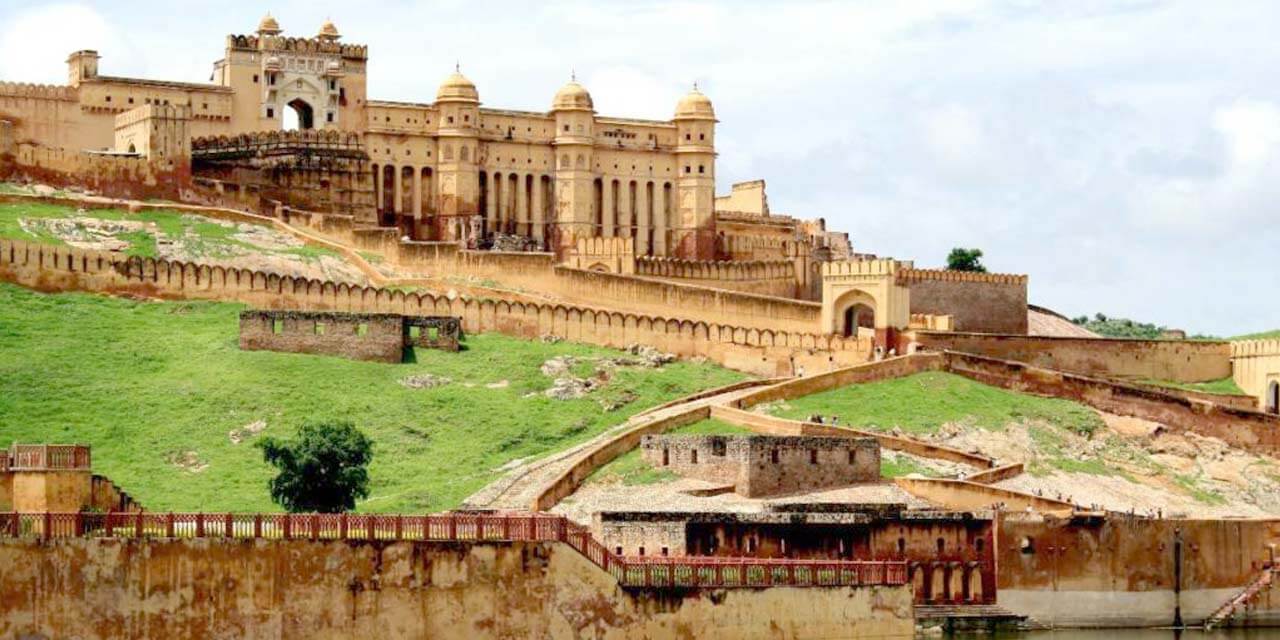
Metro to Chandpole, shared cab to Amber (₹50-60 per person in a share cab from the stand near Chandpole metro). Book tickets online the night before (₹100). The Sheesh Mahal, Diwan-i-Khas, and the rampart views are the three things you must not rush. Walk up the ramp rather than taking the jeep — it's free and takes 15 minutes.
Take the shared cab from Chandpole station rather than a private auto — it's ₹50 per person versus ₹200-250 for a private ride.

Back in the old city, Isar Lat is a 7-storey tower built in 1749 to commemorate a military victory. It's one of the least-visited monuments in the old city and has a ₹15 entry fee. Climb to the top for the best free-ish aerial view of the walled city's grid layout — you can see how Maharaja Jai Singh II designed Jaipur as a planned city with streets aligned on cardinal directions.
The climb is steep and narrow. Not for anyone with vertigo. But the top view is worth the ₹15.

The Krishna temple inside the City Palace complex that is free to enter. The morning darshan (viewing) is the most active time — the chamber fills with devotees and the atmosphere is intense. Even on a budget-focused trip, spending 45 minutes here gives you something the fort circuit doesn't — the living, breathing religious culture of Jaipur rather than its historic shell.
Leave your shoes at the cloak room (free) and turn your phone to silent. The aarti at 10:30 AM fills the chamber with chanting — try to be inside for it.
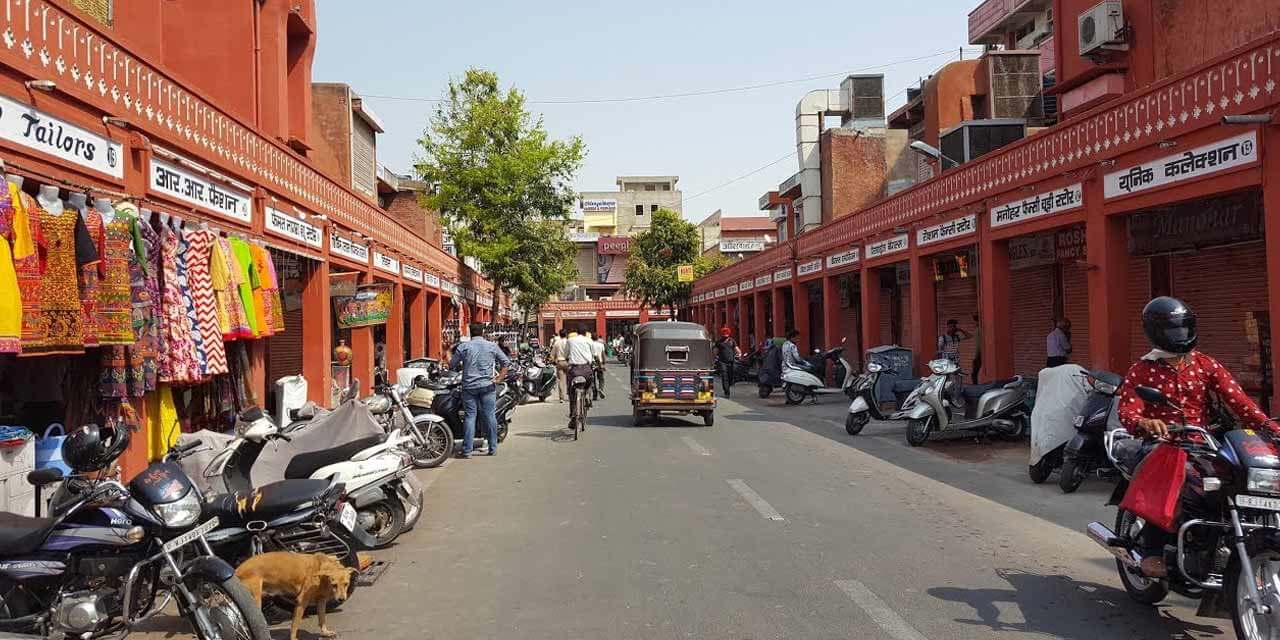
The most budget-friendly of the old city markets for actual purchases. Jaipuri razai (quilts) start from ₹300, block-print cotton scarves from ₹100, Mojari shoes from ₹250. The key is to walk the full length before buying — prices drop as you move away from the main Hawa Mahal end. The lanes behind the main street have the same goods for 20-30% less.
Everything in Bapu Bazaar is negotiable. Start at 60% of the asking price and settle around 75%. Don't be embarrassed — it's how the market works.
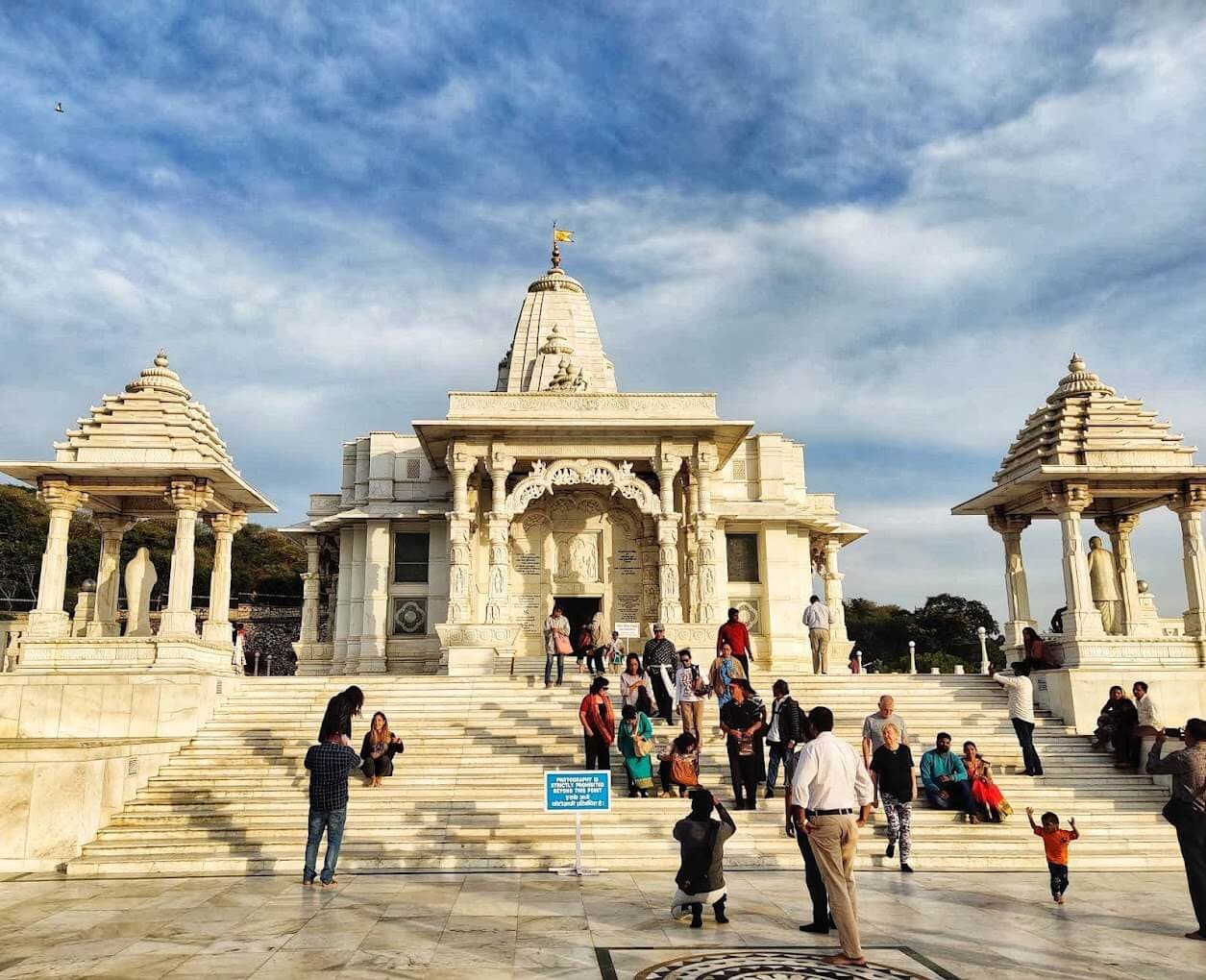
Metro to Railway Station, auto to Birla Mandir (₹40-50). Free entry, white marble, genuinely peaceful. The temple complex has a small museum with models showing how the temple was constructed. The view back over the city from the temple steps as the afternoon light softens is one of the most photogenic moments in Jaipur that costs nothing.
Come here at 5:30-6 PM for the golden hour light on the white marble. It looks extraordinary.
Lunch
Pyaaz kachori from the stalls near Badi Chaupar metro station — ₹30-40 each, genuinely the best version in the city. For a sit-down option, Rawat Mishthan Bhandar on Station Road does kachori and lassi for under ₹150.
Evening
Street food walk through the lanes near Tripolia Bazaar — gol gappa, dahi bhalla, and jalebi. ₹100-150 for a proper evening snack circuit.
Metro Spend
₹50-70 for the day
estimated for this day
Plan the journey details
Calculate exact metro fares, check first and last train times, and explore stations on your route.
Useful Metro Guides
Sightseeing by Metro
Nearest stations for every major attraction
Fare Calculator
Check exact fares for your route
Money Saving Tips
Smart Card math and feeder bus savings
Metro Schedule
First train, last train, peak hours
Rules & Prohibited Items
Luggage limits and what you can carry
Jaipur Travel Guide
Complete guide with food, shopping, and budget