

Two Days in Jaipur
Two full days to cover the heritage circuit properly — forts, palaces, temples, markets, and one very good thali
Two days gives you enough time to actually slow down and look. Day one takes the major forts and palace — the things you came to see. Day two goes deeper: the bazaars, the lesser-known temples, Albert Hall at night, and Jantar Mantar which most people rush past but deserves an hour. The metro handles most of the transit.
Before You Go
Must Book in Advance
- Amber Fort tickets online
- City Palace tickets online
- Jantar Mantar audio guide
Early bird tip: Day 1 starts at Amber Fort — be there at 8 AM when it opens. Day 2 starts at Govind Dev Ji for morning aarti at 9:30 AM.
The Fort Circuit
Amber, Jaigarh & the Walled City
Day one is about the big structures — the forts that defined Jaipur's history and the palace that still houses royalty. You'll cover a lot of ground today so start early and pace yourself with good food. The metro handles everything in the old city; only Amber Fort requires a separate cab.
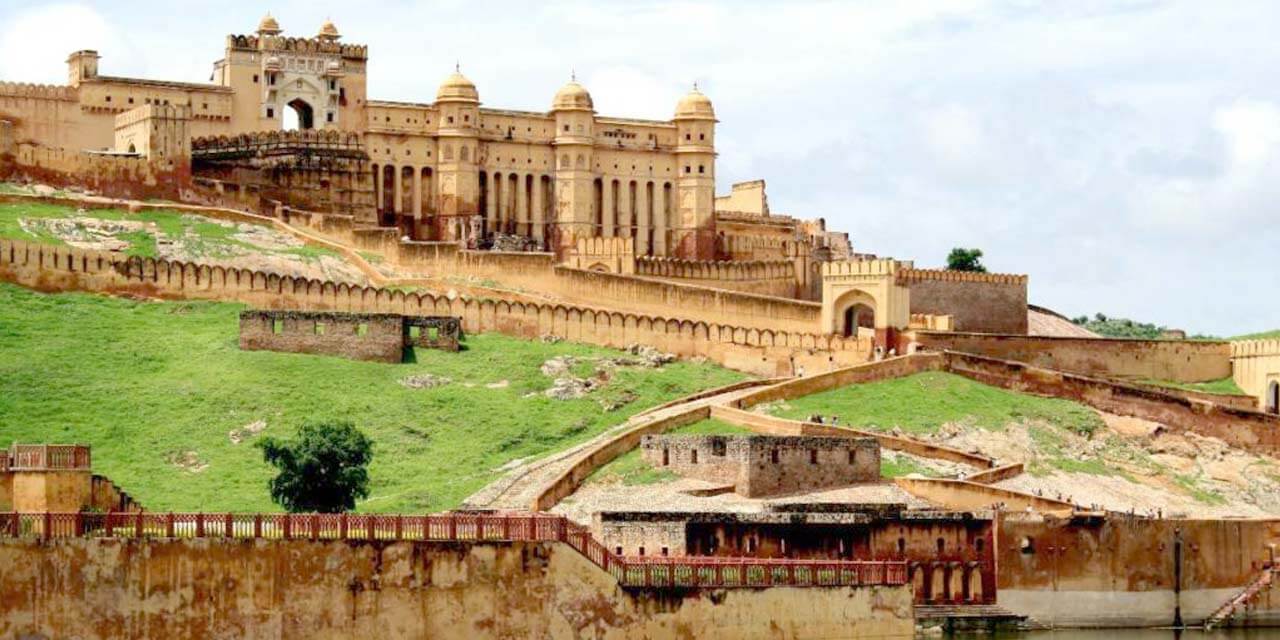
The fort that everyone puts on the Jaipur list — and for good reason. Reach Chandpole by metro and take a cab to Amer (about 9 km, ₹200-250). The Sheesh Mahal alone is worth the journey: thousands of small mirror chips set in the ceiling catch even candle-light and fill the entire room with stars. The Sukh Niwas nearby has an ingenious passive cooling system built into the walls that kept the room cool in summer without electricity. Take your time at the top rampart for the views over Maota Lake before heading back down.
Skip the elephant ride — the jeep up the hill is faster, cheaper, and more comfortable. Combine your ticket with Jaigarh Fort (on the hill directly above) for a combo discount.
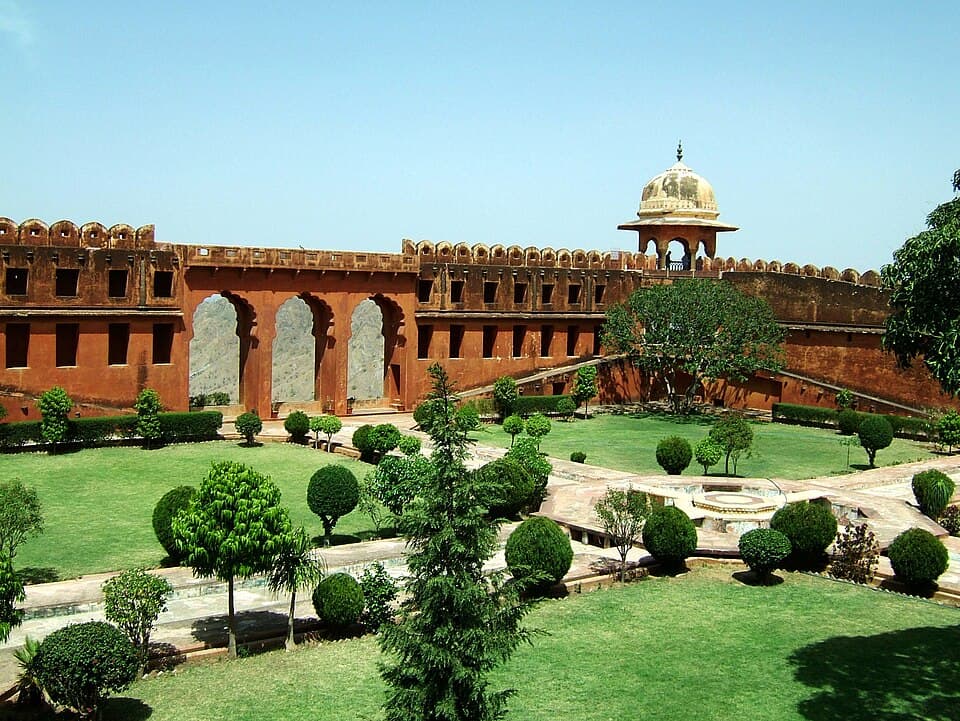
Most visitors skip Jaigarh and that is their loss. It sits directly above Amber on the same hill — walk up or take the jeep. The fort houses Jaivana, the world's largest wheeled cannon, which was fired exactly once in history. The cannon is enormous, impractical, and oddly fascinating. The fort also has a water storage system and armory that shows how the Rajput military actually operated day to day. Far fewer tourists here than at Amber.
The combined Amber + Jaigarh ticket saves money. Give it an hour rather than rushing — the views from the ramparts here are actually better than from Amber.

Metro from Chandpole to Badi Chaupar, then a short walk. City Palace is still a working royal residence and you can feel that — parts of the complex are closed to the public and guards stand at the boundary. The Mubarak Mahal houses an extraordinary textile collection including the Maharaja's paithani shawls and bandhani work. The silver urns in Diwan-i-Khas are a genuine curiosity: each holds 4,000 litres of Ganga water that Sawai Madho Singh II carried on a 1902 voyage to London rather than risk drinking foreign water.
The full-access ticket is worth getting on a two-day trip when you're not rushed. The courtyards and clock tower area that the basic ticket misses are some of the best parts.

Right next to City Palace and criminally underappreciated. Jantar Mantar is a UNESCO World Heritage Site and the world's largest stone observatory, built by Maharaja Jai Singh II in 1734. The 19 instruments here were used to track celestial movements, predict eclipses, and calculate the exact time of year — with accuracy that rivals modern instruments. The Samrat Yantra sundial is 27 metres tall and tells time accurate to 2 seconds. Most visitors walk through in 15 minutes not understanding what they're looking at — get a guide or use the audio guide.
Hire the official guide at the entrance (₹200). Without explanation, the instruments look like abstract sculpture. With context, they become one of the most remarkable things you'll see in Jaipur.
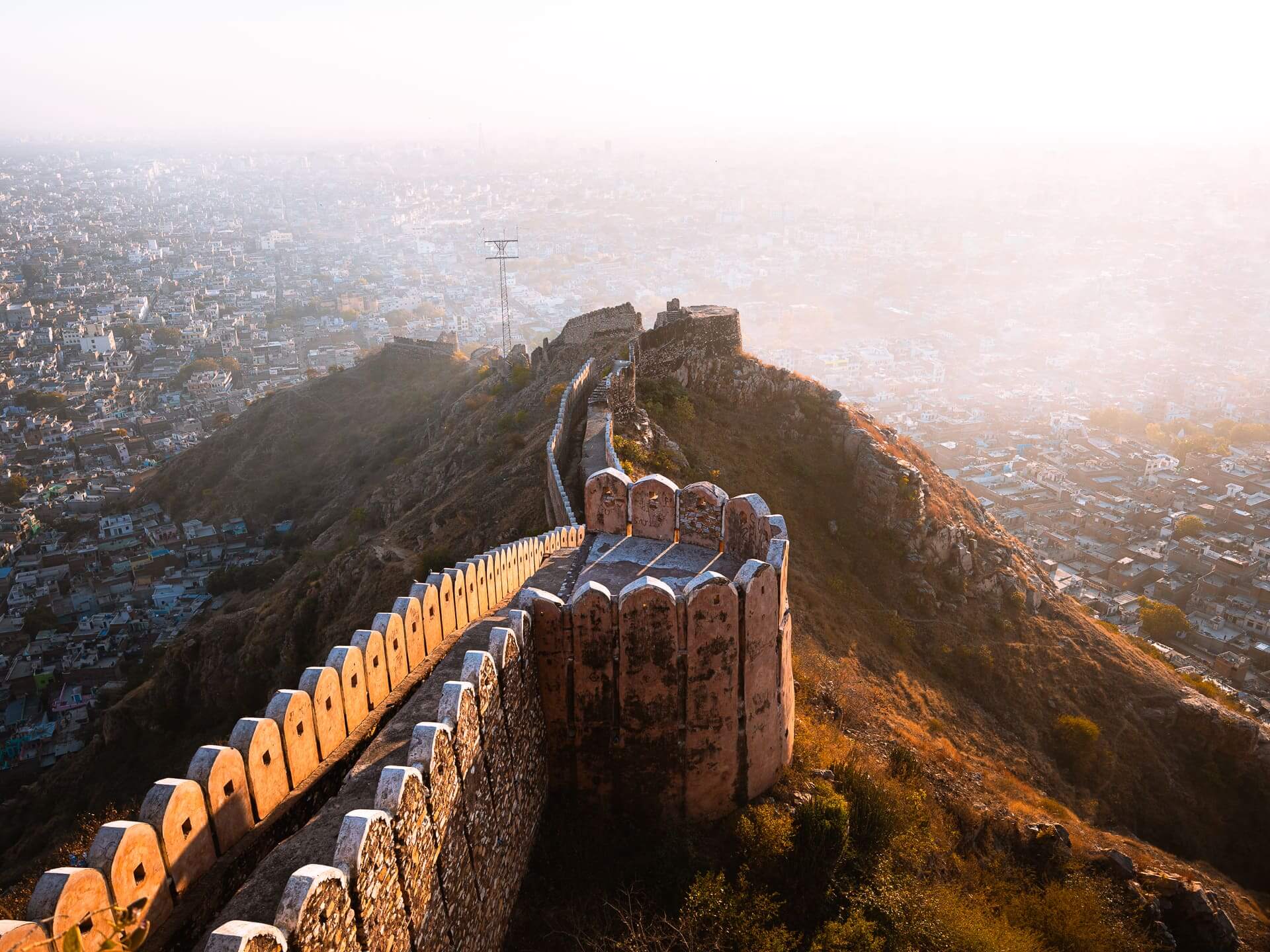
Since you have two days, take the sunset at Nahargarh more slowly than a day-tripper can. Arrive at 5 PM and walk the ramparts before the crowd arrives. The fort's interior rooms have erotic murals in the Madhavendra Bhavan — a collection of royal love chambers that historians debate endlessly. The view at dusk over Jaipur is the best in the city.
The Padao restaurant at the top serves average food but the terrace view at sunset is the point, not the meal. A beer and the skyline is the right way to end Day 1.
Lunch
Lunch near Badi Chaupar after City Palace — Suvarna Mahal inside Rambagh Palace for a splurge, or the reliable thali at Natraj restaurant on MI Road for ₹250-350.
Evening
Dinner at a rooftop in the walled city. 1135 AD restaurant inside Amber Fort runs an evening service if you want an experience. Otherwise, Spice Court near Civil Lines is consistent and fairly priced.
Metro Spend
₹40-50 (3-4 rides)
estimated for this day
Temples, Markets & Museums
The Deeper Jaipur
Day two slows down the pace and goes into the city's texture — the bazaars where locals actually shop, the temple district around Govind Dev Ji, the Albert Hall at dusk, and the street food that the first day rushed past. You don't need to cover as much ground today; you just need to cover it properly.

The most important temple in Jaipur for devotees — the idol of Krishna here was moved from Vrindavan by Sawai Jai Singh II in the 18th century to protect it from Aurangzeb. The morning aarti (prayer session) starts around 9:30 AM and is genuinely moving even if you're not religious — the devotion in the crowd is palpable. The temple sits inside the City Palace complex, which is unusually intimate for such a significant shrine.
Leave bags and shoes at the cloak room outside. Phones are technically permitted but using them during aarti is frowned upon by the regulars.

You had one day on Day 1 and possibly rushed this — Day 2 is the chance to go inside properly. The honey-comb facade of 953 latticed windows was designed so women of the royal court could watch street life while remaining unseen. Standing at the top looking down at Badi Chaupar through the stone latticework as the morning market fills up below is a perspective of Jaipur very few tourists get.
Go early before it fills with tour groups. The 5-storey climb is narrow but manageable.
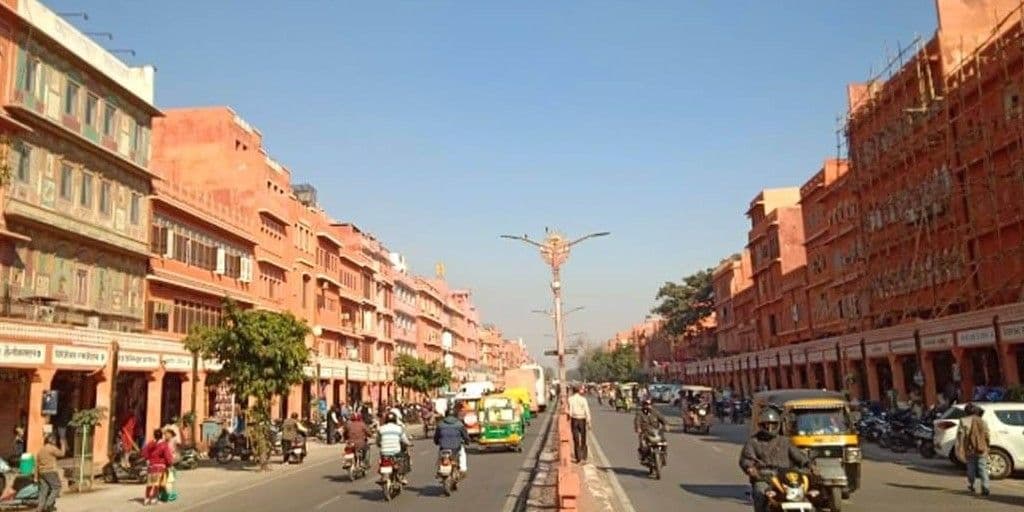
Jaipur's gemstone and jewellery market has operated in this same stretch of road for nearly 300 years. Johari means 'jeweller' and the lanes off the main road are lined with family-run workshops where you can watch craftsmen set stones. If you're not buying, you're still welcome to look — the craftsmanship is worth watching. Bapu Bazaar next to it sells textiles, Mojari footwear, and Jaipuri quilts. The Jaipuri razai (quilt) is one of the best value souvenirs from the city — light, warm, and genuinely well-made.
Don't buy gemstones from anyone who approaches you on the street. Go into established shops with fixed prices visible. Bargaining is expected in Bapu Bazaar for everything except food.
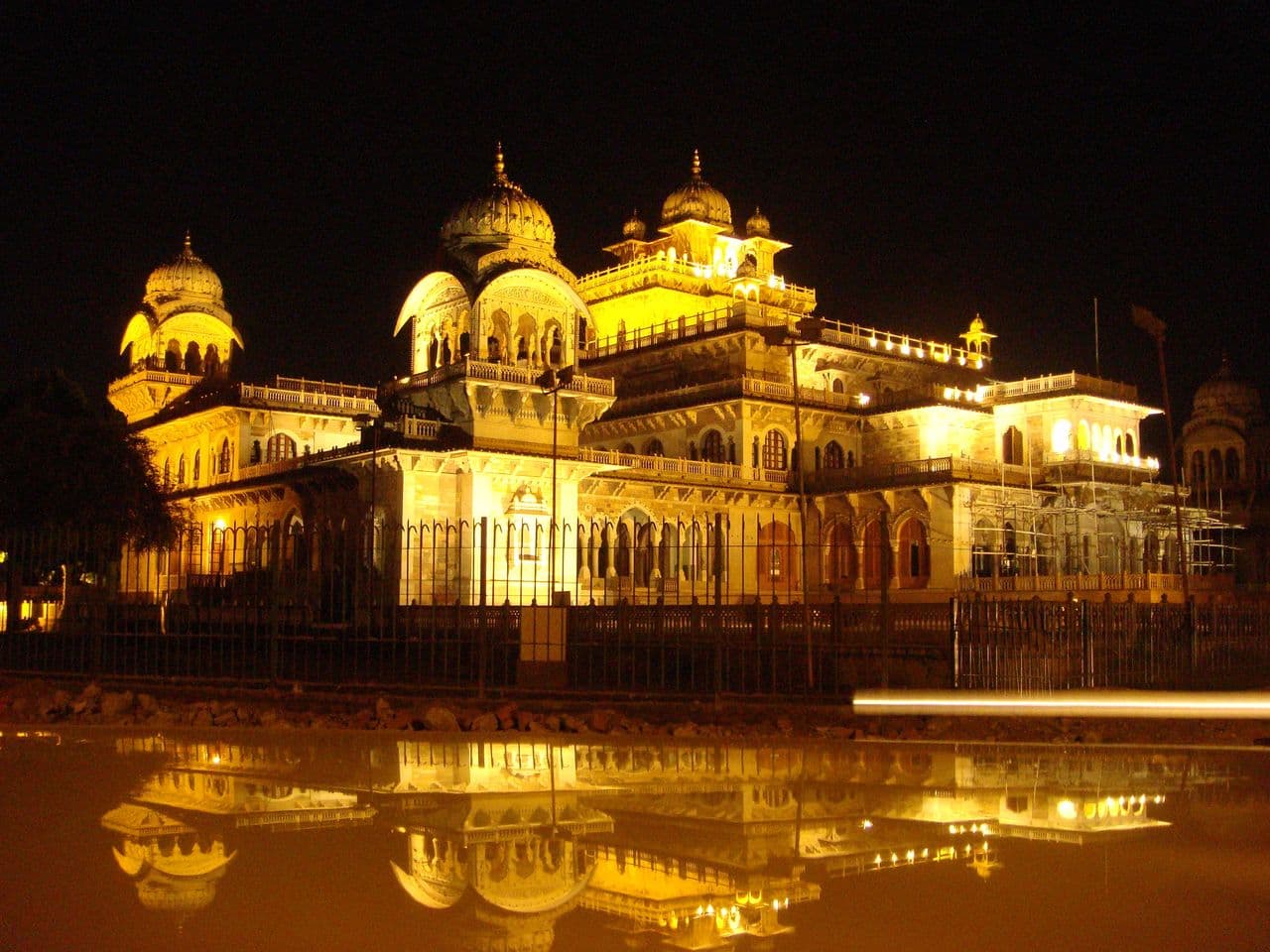
Metro from Badi Chaupar to Sindhi Camp, then a short auto ride. Albert Hall is Jaipur's state museum housed in an 1876 Indo-Saracenic building so beautiful that the architecture rivals the collection. The Egyptian mummy (one of only a handful in India) draws the most attention, but the carved wood ceiling in the main gallery, the textile collection, and the Rajput armory are equally worth your time. Come back after dinner for the illuminated exterior — the night view is spectacular.
The museum is open in the evening as well (7-10 PM) when it's illuminated and far less crowded. If you visit in the afternoon, plan to return briefly after dinner for the night view.
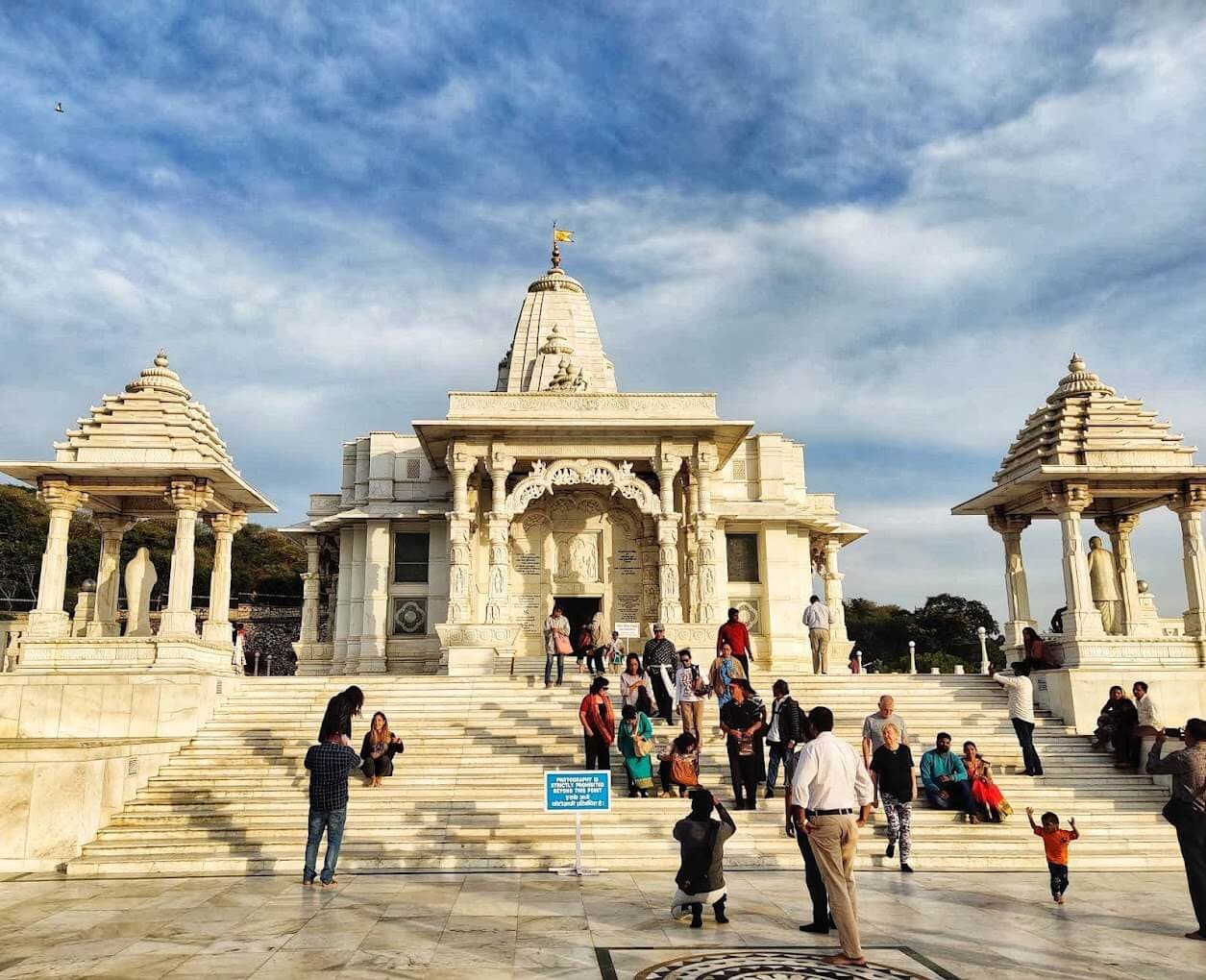
Built entirely from white Makrana marble in 1988, this temple to Vishnu and Lakshmi is the most architecturally polished religious site in Jaipur. Unlike the older temples which can feel chaotic, Birla Mandir is calm, organized, and beautiful. The exterior walls have carvings of scenes from Hindu scriptures mixed, fascinatingly, with figures from other world philosophies — Socrates, Christ, and Buddha appear alongside Rajput kings on the walls. The illuminated temple at dusk against the hill backdrop is one of the most peaceful moments Jaipur offers.
Evening prayers (aarti at 7:30 PM) are worth attending. The temple is free and takes about 45 minutes to explore properly.
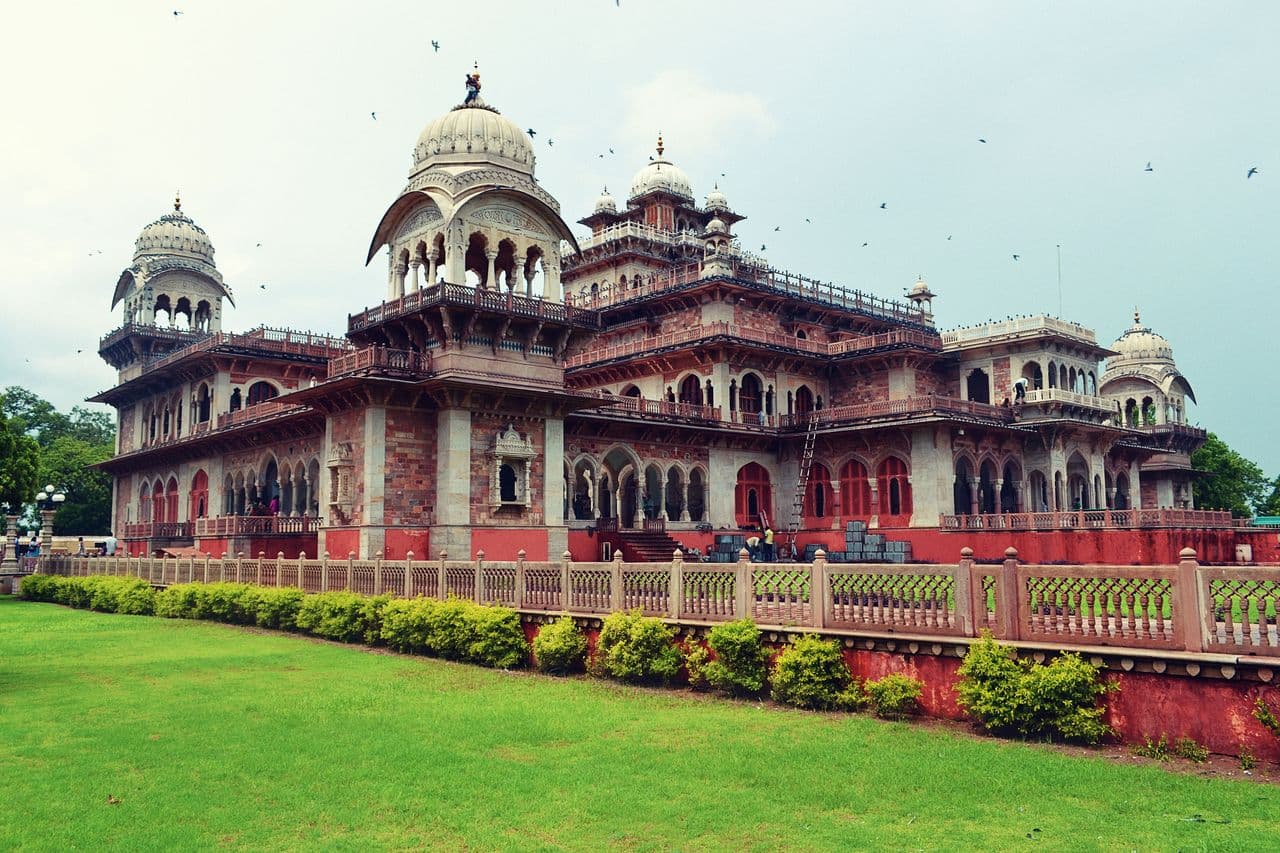
End the two days with a walk in Ram Niwas Garden as it cools in the evening, then the short walk to see Albert Hall illuminated at night. The garden has a small zoo (Jaipur Zoo is adjacent) and a nice open-air theatre. It's the garden that Jaipur residents use daily — the walk fills with families, couples, and old men playing cards. A good place to sit with chai from a nearby stall and think about what you've seen.
Albert Hall is lit from 7 PM onwards and the reflection in the front pool on a still evening is extraordinary. Worth the taxi from Birla Mandir.
Lunch
Proper Rajasthani thali at Laxmi Mishthan Bhandar (LMB) on Johari Bazaar — a Jaipur institution since 1954. The dal baati churma here is the real version. Expect to pay ₹400-600 for a full thali.
Evening
Masala Chowk food court in Ram Niwas Garden for an evening of street food from different stalls under one roof — try the gol gappa, kachori, and the local version of rabri falooda. ₹200-300 for a good feed.
Metro Spend
₹50-70 (4-5 rides)
estimated for this day
Plan the journey details
Calculate exact metro fares, check first and last train times, and explore stations on your route.
Useful Metro Guides
Sightseeing by Metro
Nearest stations for every major attraction
Fare Calculator
Check exact fares for your route
Money Saving Tips
Smart Card math and feeder bus savings
Metro Schedule
First train, last train, peak hours
Rules & Prohibited Items
Luggage limits and what you can carry
Jaipur Travel Guide
Complete guide with food, shopping, and budget